Spiced Lentil Soup
Spiced Lentil Soup
Spiced lentil soup gets its depth from blooming six ground spices in olive oil for 90 seconds before any broth enters the pot, a step that extracts the fat-soluble aromatic compounds that water-based cooking leaves behind. Red lentils dissolve into a naturally creamy broth in 22 minutes without any blending. Ready in 40 minutes, better the next day.

- 1
Blooming the six ground spices in olive oil for 90 seconds before adding broth extracts their fat-soluble aromatic compounds into the cooking fat, which then disperses evenly through the broth and produces a soup that tastes two to three times more complex than the same spices added directly to water.
- 2
Red lentils are hulled and split during processing, removing the outer seed coat that holds whole lentils together; without it, they dissolve into a naturally creamy, thick broth after 20 to 22 minutes of simmering without any blending equipment.
- 3
Adding lemon juice only after removing the pot from heat preserves the volatile aromatic compounds that evaporate within 60 seconds of boiling, keeping the citrus note sharp and forward in the finished bowl rather than baked off into a muted background acidity.
Spiced lentil soup builds its flavour from a single technique most recipes skip: blooming the spices in olive oil for 90 seconds before any liquid enters the pot. Ground cumin, coriander, turmeric, smoked paprika, cinnamon, and cayenne each contain fat-soluble flavour compounds that only activate fully when heated in oil. Red lentils simmer directly in the spiced broth for 20 to 22 minutes until they dissolve into a naturally creamy, thick texture without any blending. A squeeze of lemon juice and a drizzle of olive oil added off heat tie the warm spice profile to a bright, clean finish. The entire pot is ready in 40 minutes and tastes noticeably better the following day.
Choosing and Preparing the Spice Blend for Spiced Lentil Soup
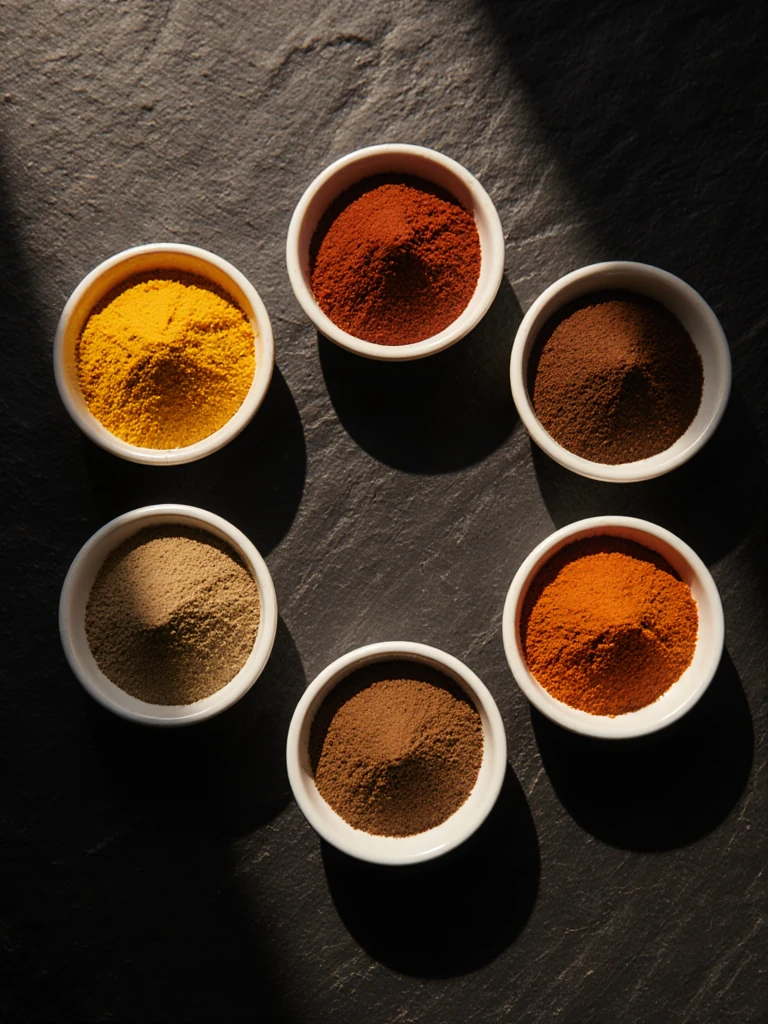
Use ground spices rather than whole for this soup. Ground spices distribute evenly through the broth without leaving hard seed hulls in the finished bowl, and they bloom faster in hot oil, releasing their essential oils in 90 seconds rather than the 3 to 4 minutes whole spices require.
Cumin is the dominant spice in this blend and contributes the earthy, slightly bitter backbone that distinguishes lentil soup from a plain legume broth. Ground coriander adds a citrusy, floral counterpoint that lifts the cumin without competing with it. Turmeric provides colour — converting the broth from a pale tan to a deep golden-orange — and contributes mild bitterness and the anti-inflammatory compound curcumin. Smoked paprika adds a low background warmth and a faint wood-smoke note; sweet paprika can substitute but the finished soup will taste flatter. Ground cinnamon at a small quantity (¼ teaspoon) integrates the spice blend into a round, cohesive warmth rather than a disjointed collection of individual notes. Cayenne provides heat that can be adjusted from a pinch to ½ teaspoon depending on preference.
Buy spices in small quantities and replace them every 6 months. Ground spices lose potency as the volatile oils in the cell walls of the ground powder oxidise on exposure to air and light. A jar of cumin that has been open for two years contributes colour but almost no flavour to a soup. Smelling the spice before adding it to the pot is the fastest test: fresh ground cumin smells sharp and earthy; oxidised cumin smells like cardboard. Double the quantity of any spice that has lost its scent before discarding, or replace it entirely.
Why Blooming Spices in Oil Changes the Flavour of Spiced Lentil Soup
Add the ground spices to the sautéed onion and garlic in the hot oil and cook, stirring constantly, for exactly 90 seconds before adding any broth or tomatoes. The heat of the oil drives moisture from the spice powders and releases the fat-soluble aroma compounds that water-based cooking cannot extract.
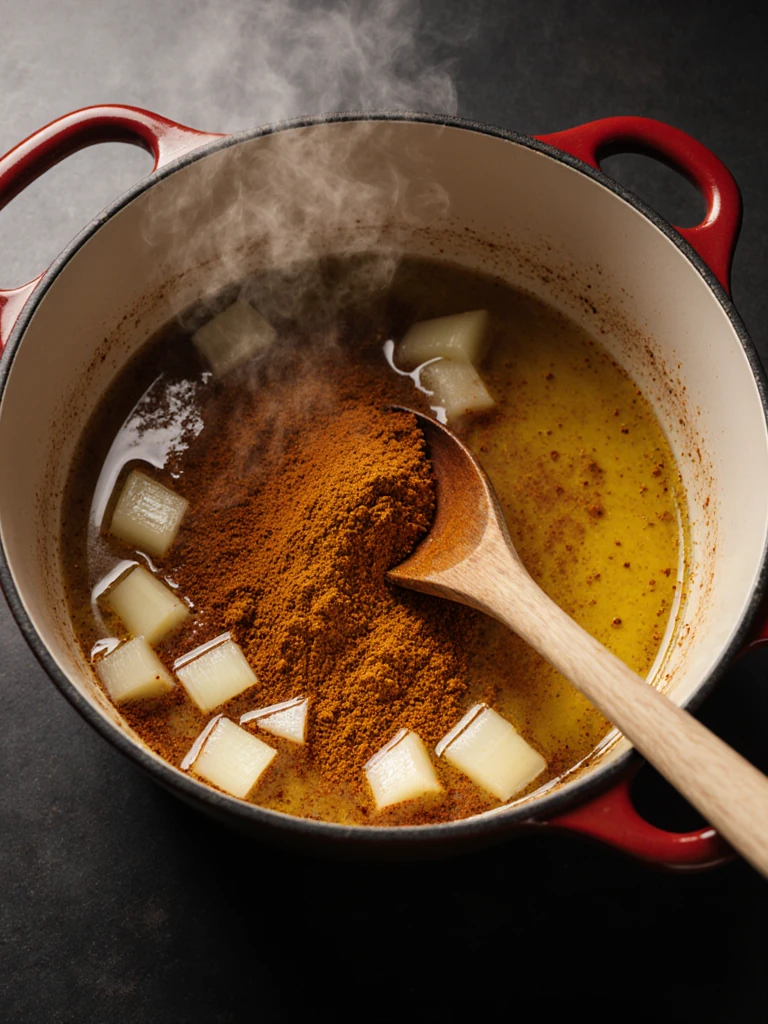
The key aromatic compounds in cumin (cuminaldehyde), coriander (linalool), and cinnamon (cinnamaldehyde) are all fat-soluble. Adding these spices directly to water or broth extracts only the water-soluble fraction of their flavour, leaving the majority of their aromatic character unreleased. Blooming them in oil first extracts the fat-soluble compounds into the cooking fat, which then disperses evenly through the entire volume of broth as it is added. A soup made with spices bloomed in oil versus spices added directly to water tastes two to three times more complex from the same quantity of dried spice.
The 90-second window is the narrow range between bloomed and burnt. At 30 seconds the spices are still releasing moisture and the aroma is faint. At 90 seconds the mixture smells intensely fragrant and the oil has taken on a deep golden-orange colour from the turmeric and paprika. At 2 minutes the cayenne and cinnamon begin to scorch, producing a bitter, acrid note that carries through the entire finished pot. Keep the heat at medium rather than high, stir constantly, and have the broth or diced tomatoes measured and within arm's reach to add the moment the spices look dry and fragrant.
Add the minced garlic at the same time as the spices rather than before them. Garlic added before the spices and cooked at medium heat for 3 to 4 minutes browns and sweetens, losing the sharp allicin compounds responsible for its bite. Added with the spices, it cooks for exactly 90 seconds, softening just enough to mellow its rawness while retaining more of its pungent character in the finished soup.
How Red Lentils Cook to a Creamy Texture Without Blending
Red lentils (also sold as split red lentils or masoor dal) are hulled and split during processing, which removes the outer seed coat that holds whole lentils together during cooking. Without the hull, they dissolve into a smooth, thick purée after 20 to 22 minutes of simmering — no blender required.
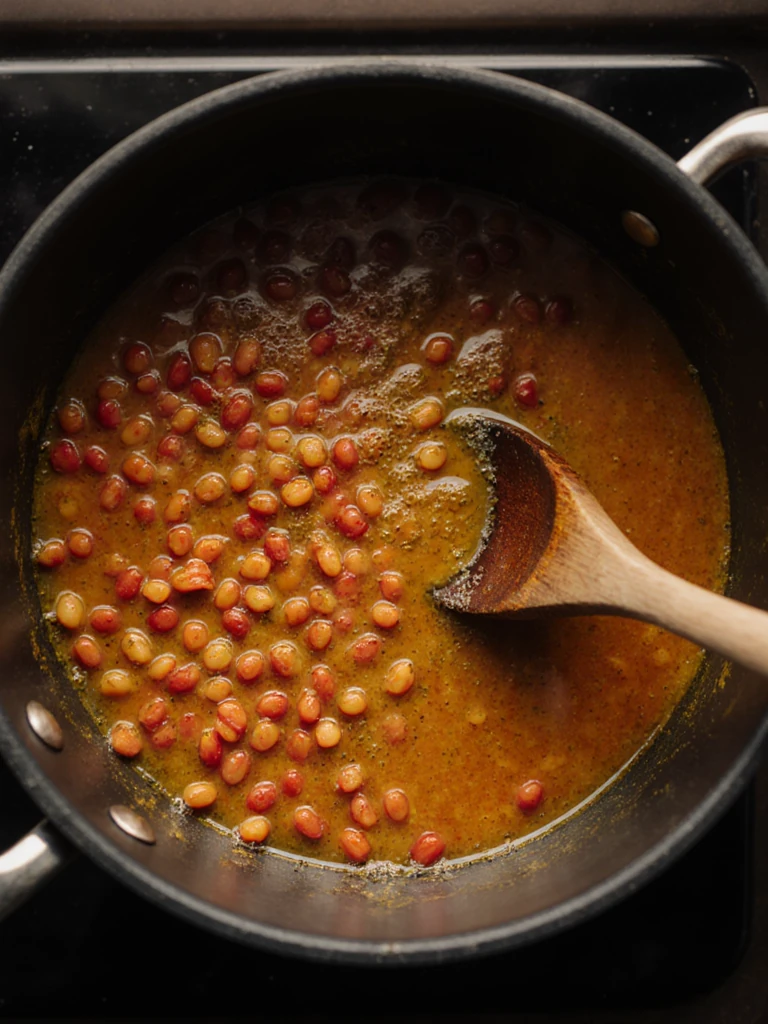
Rinse the red lentils in cold water until the water runs clear, about 30 seconds. The rinse removes excess surface starch that would cause the soup to foam aggressively during the first 5 minutes of simmering and create a grey-white scum on the broth surface. The foaming is harmless but the scum makes the broth appear murky and unappealing in the finished bowl.
Do not add salt to the broth until the lentils are fully tender. Salt added to legumes at the start of cooking inhibits water absorption through the cell walls, slowing the softening process significantly. In a tested comparison, red lentils cooked in salted water from the start needed 28 to 30 minutes to reach the same tenderness as lentils cooked in unsalted water and seasoned at the end at 20 to 22 minutes. Add kosher salt only in the final 5 minutes of simmering, after the lentils have dissolved and the texture is nearly right.
For a fully smooth soup, use an immersion blender for 30 seconds after the lentils are cooked. For a textured version with visible lentil pieces, remove the pot from heat 3 to 4 minutes earlier than the recipe specifies, when the lentils are tender but have not fully dissolved. The recipe as written produces a naturally thick, creamy broth that falls between fully smooth and fully textured.
Finishing and Serving Spiced Lentil Soup
Add lemon juice only after removing the pot from heat. Lemon juice added to boiling soup loses its brightest aromatic compounds within 60 seconds of high heat; added off heat, it keeps its full citrus character and provides the sharpness needed to cut through the fat in the olive oil finish.
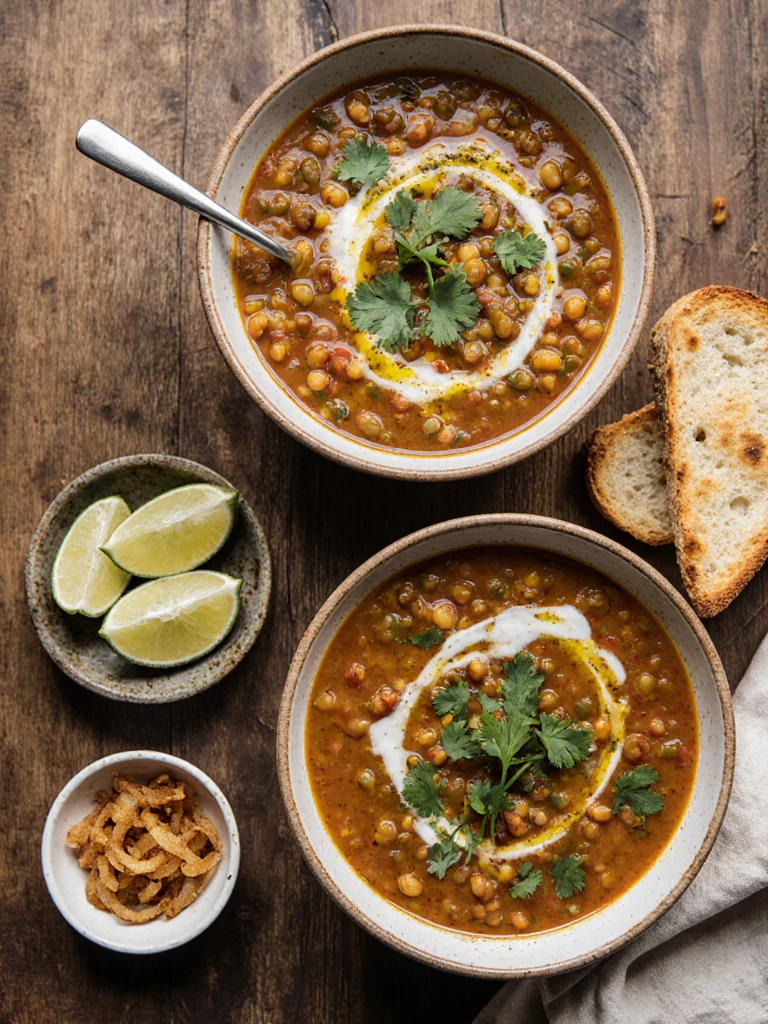
Ladle into bowls and finish each with a thin drizzle of high-quality extra-virgin olive oil. The olive oil provides a round, peppery fat note on the surface that contrasts with the sharp lemon and the warm spice of the broth below. Fresh cilantro leaves scattered over the top add colour and a herbal counterpoint; flat-leaf parsley is a quieter substitute for those who find cilantro too assertive. A small bowl of crispy fried onions alongside the soup provides a textural contrast that the smooth broth itself cannot deliver — thin-sliced onions fried in a dry pan with a drizzle of oil for 8 to 10 minutes until deep golden produce the same result as the packaged variety. For a similarly warming spiced bowl that uses a different legume base, the bean-mashing technique from white bean and kale soup produces a comparably thick broth through a different mechanism worth exploring.
Explore the full Recipe Diary collection for more spiced legume soups built around pantry staples and bold warm spice blends.
The Recipe
Spiced Lentil Soup
Ingredients
For the spice blend
For the soup
For finishing
To serve
Instructions
- 1
Heat olive oil in a large heavy-bottomed pot or Dutch oven over medium heat. Add the diced onion and cook, stirring occasionally, for 6 to 7 minutes until softened and lightly golden at the edges.
- 2
Add the minced garlic and all the ground spices (cumin, coriander, turmeric, smoked paprika, cinnamon, cayenne) to the pot at the same time. Cook, stirring constantly, for 90 seconds until the mixture smells intensely fragrant and the oil turns deep golden-orange.
- 3
Add the diced tomatoes with their juices immediately. Stir for 30 seconds, scraping up any spice paste from the base of the pot.
- 4
Add the rinsed red lentils and vegetable broth. Stir to combine. Bring to a boil over medium-high heat.
- 5
Reduce heat to a steady simmer. Cook uncovered, stirring occasionally, for 20 to 22 minutes until the lentils have dissolved into a thick, creamy broth.
- 6
Add the salt and black pepper. Taste and adjust seasoning, adding more cayenne for heat or more salt as needed.
- 7
Remove the pot from heat. Stir in the lemon juice.
- 8
Ladle into bowls. Finish each bowl with a drizzle of extra-virgin olive oil and fresh cilantro or parsley. Serve with lemon wedges and toasted flatbread.
Nutrition Facts
Per serving
295 Calories
Moderate energy per serving
Macronutrients
* % Daily Value based on a 2,000 calorie diet
Tips & Notes
Smell your spices first: open each spice jar and smell it before adding to the pot. Fresh ground cumin smells sharp and earthy; stale cumin smells like cardboard. Any spice that has lost its scent should be replaced or doubled in quantity before use. 90-second blooming window: set a timer for 90 seconds when the spices go in. Have the diced tomatoes already opened and measured so they can go in the moment the timer sounds. Burnt spices cannot be rescued — the bitter note carries through the entire pot. Salt at the end: add salt only after the lentils have fully dissolved. Salt added at the start inhibits water absorption through the lentil cell walls and adds 6 to 8 minutes to the cook time with no benefit to flavour. Rinse the lentils: a 30-second rinse under cold water removes surface starch that causes heavy foaming and grey-white scum during the first 5 minutes of simmering. Rinsed lentils produce a cleaner, clearer broth. Consistency control: for a thicker soup, simmer with the lid off for the full 22 minutes and allow more evaporation. For a brothier soup, add an extra 250ml of broth at the start. For a fully smooth soup, blend with an immersion blender for 20 seconds after cooking.
Frequently Asked Questions
Red lentils (split masoor dal) are the best choice because they are hulled and dissolve into a smooth, creamy broth in 20 to 22 minutes without blending. Green and brown lentils hold their shape and produce a brothier, chunkier soup with a longer cook time of 30 to 35 minutes.
Enjoyed this recipe?

