Mediterranean Pasta Salad
Mediterranean Pasta Salad
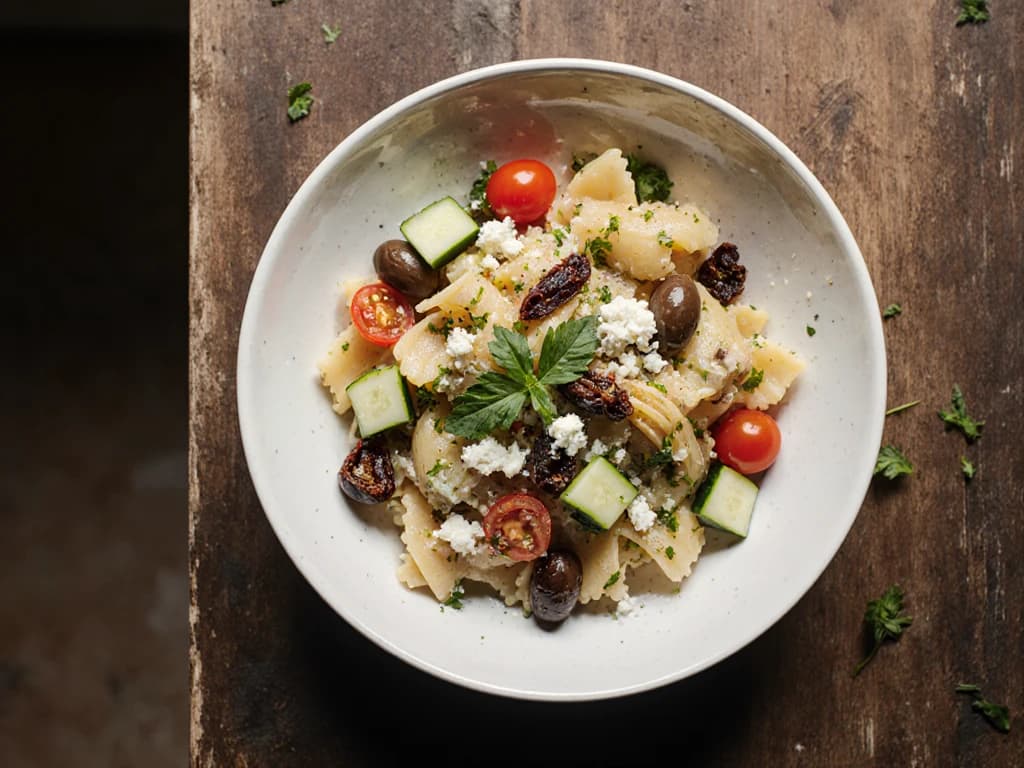
Mediterranean pasta salad layers farfalle with oil-packed sun-dried tomatoes, artichoke hearts, Kalamata olives, cucumber, and crumbled feta in a lemon-oregano vinaigrette built on sun-dried tomato oil. Using the flavoured oil from the jar as part of the dressing base delivers concentrated umami that plain olive oil cannot replicate. Ready in 25 minutes and better after a 1-hour chill, it holds well for 4 days making it a reliable potluck and meal-prep staple.
- 1
Using the oil from a jar of oil-packed sun-dried tomatoes as the vinaigrette base transfers months of slow infusion into the dressing in a single step, delivering concentrated umami and tomato flavour that plain olive oil cannot replicate.
- 2
Blooming dried oregano between your palms before adding it to the dressing ruptures the dried leaf cells and releases the terpene compounds carvacrol and thymol, producing noticeably more fragrance than unhandled dried oregano at the same quantity.
- 3
Adding cucumber and feta only just before serving, rather than during assembly, preserves the cucumber's crunch and the feta's structural integrity through the 1-hour chill, keeping the finished bowl textured rather than wet and uniform.
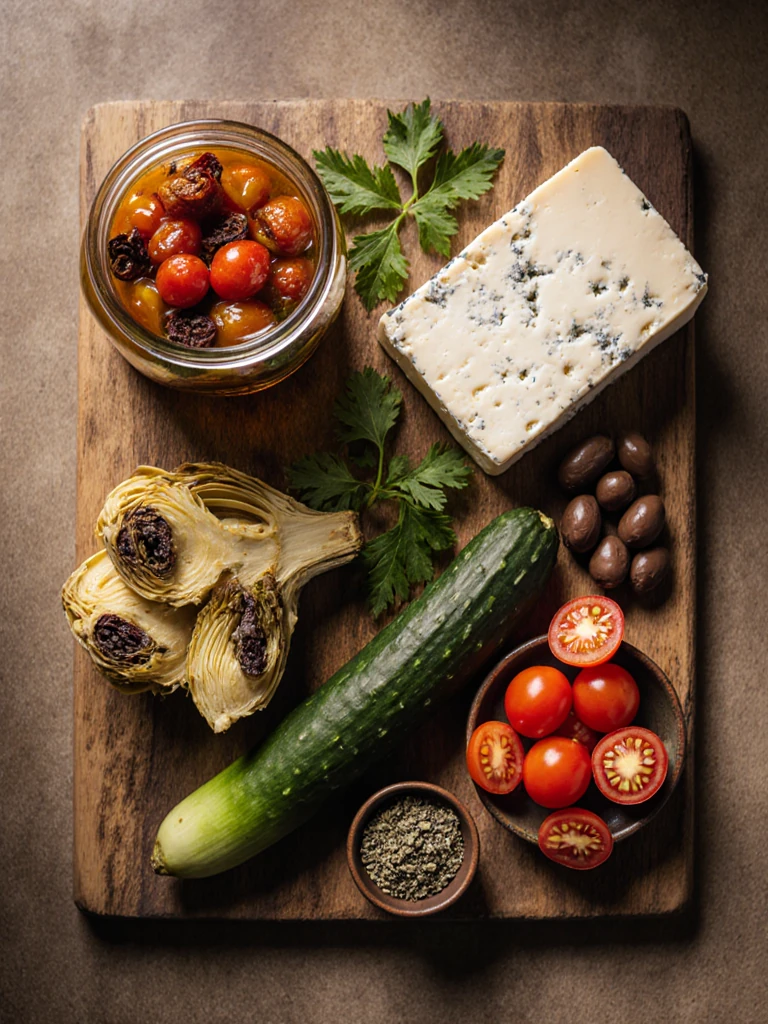
Mediterranean pasta salad earns its place on a potluck table not through novelty but through precision: the right ratio of briny to fresh, fat to acid, and soft to crunchy in every forkful. Oil-packed sun-dried tomatoes are the anchor ingredient, contributing chewy texture and concentrated sweetness, while their soaking oil becomes the backbone of the lemon-oregano vinaigrette. Farfalle traps the dressing in its bow-tie folds reliably. Artichoke hearts, Kalamata olives, Persian cucumber, and cherry tomatoes fill out each bowl with colour and contrasting textures, and a generous crumble of block feta finishes the salad with creamy, salty pockets that pre-crumbled feta cannot match.
Why Sun-Dried Tomato Oil Makes a Better Vinaigrette Base
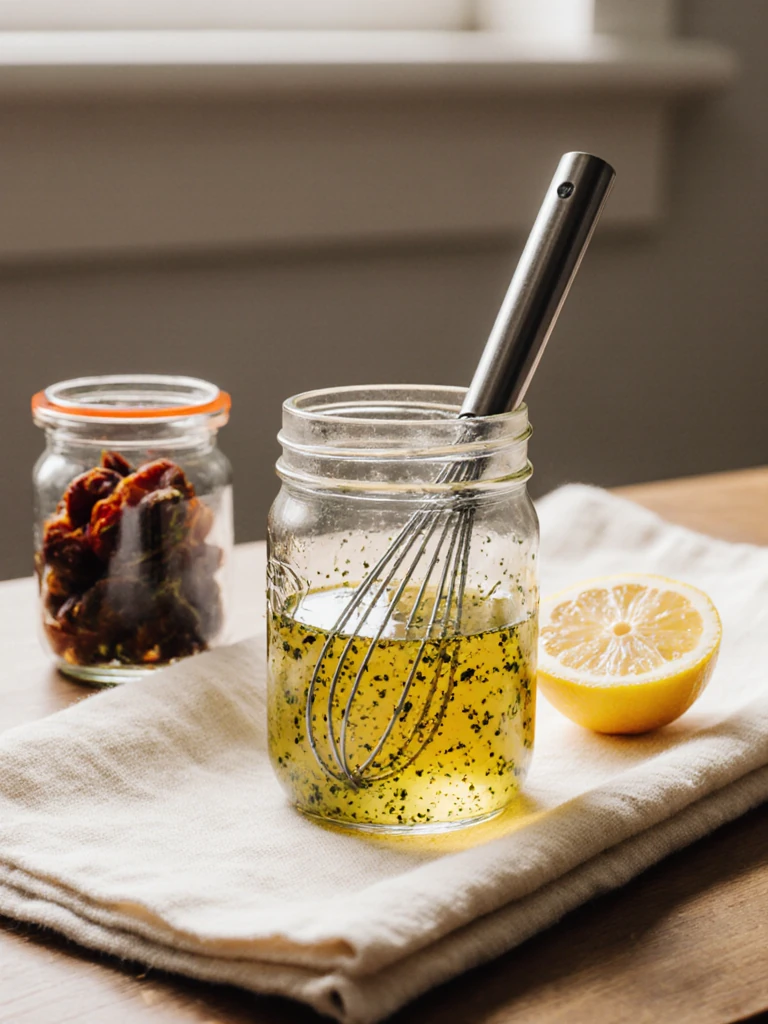
The oil from a jar of oil-packed sun-dried tomatoes carries fat-soluble flavour compounds, including lycopene, concentrated glutamates, and carotenoids, that have leached from the tomatoes during storage, producing a dressing with built-in depth that plain olive oil cannot achieve.
A standard Mediterranean pasta salad dressing uses extra-virgin olive oil as its fat base. Swapping half that oil for the sun-dried tomato soaking oil transfers months of slow infusion into the dressing in a single step. The tomato oil has a distinctly savoury, slightly sweet character from the concentrated sugars and amino acids that migrate from the tomatoes during preservation. Use 2 tablespoons of the tomato oil alongside 2 tablespoons of extra-virgin olive oil, 3 tablespoons of red wine vinegar, 1 tablespoon of fresh lemon juice, 1 teaspoon of lemon zest, and 1 teaspoon of bloomed dried oregano. Blooming the oregano means rubbing it between your palms over the bowl before adding it, which ruptures the dried leaf cells and releases the terpene compounds (carvacrol and thymol) that are otherwise locked inside until chewing. The result is noticeably more fragrant than unhandled dried oregano at the same quantity.
Choosing and Preparing the Pasta
Farfalle holds the lemon-oregano vinaigrette in its pinched centre fold, delivering a pocket of dressing in every bite, while its flat wings pick up herbs and feta crumbles across their broad surfaces.
Cook farfalle in heavily salted water (1 tablespoon kosher salt per 4 litres) for the full package time, targeting fully tender rather than al dente. Pasta firms as it cools and a slight residual chew at al dente becomes unpleasant once cold. Drain, then spread on a baking tray and drizzle with 1 teaspoon of the sun-dried tomato oil to prevent sticking. Cool for 8 to 10 minutes at room temperature before combining with the other ingredients. Tossing warm pasta directly with the cold feta causes the cheese to melt into the dressing rather than staying as distinct crumbles, so the pasta must be at or below room temperature before the salad is assembled.
Assembling and Chilling the Salad
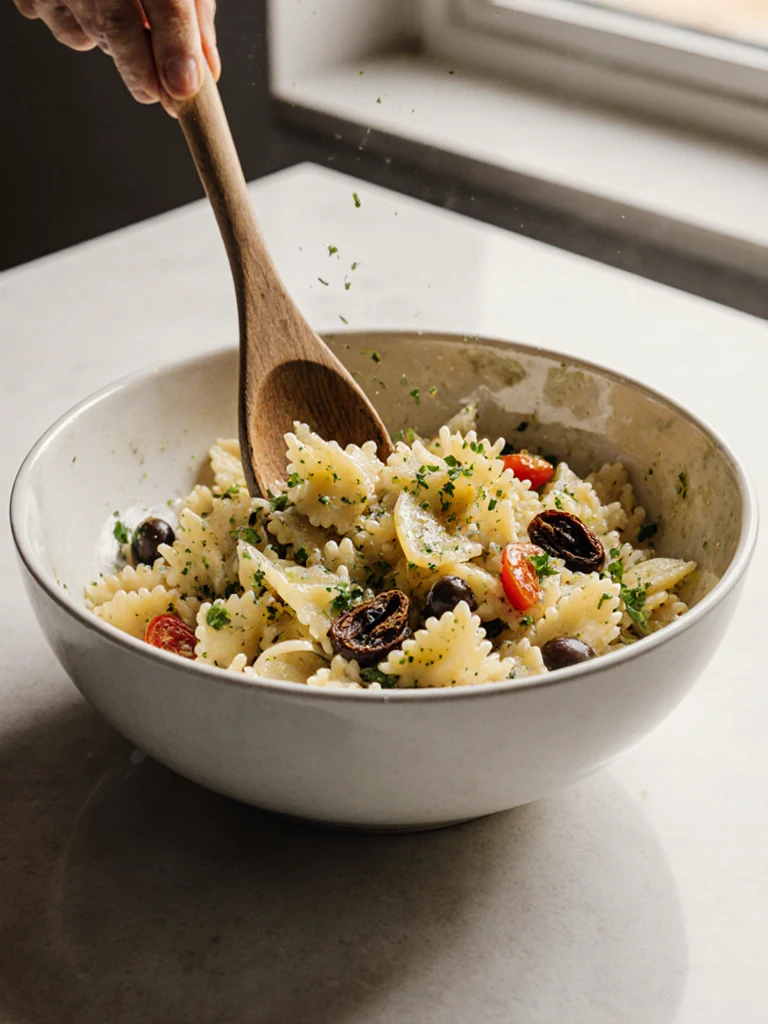
Adding the sun-dried tomatoes, artichokes, and olives before chilling and the cucumber, feta, and fresh parsley just before serving preserves the distinct crunch of the cucumber and the structural integrity of the feta through a 1-hour rest.
Combine cooled farfalle with the sliced sun-dried tomatoes, quartered artichoke hearts, Kalamata olives, halved cherry tomatoes, and red onion in a large bowl. Pour three-quarters of the vinaigrette over the salad and fold through with a large spoon. Cover and refrigerate for at least 1 hour. Before serving, add the remaining vinaigrette and toss, then fold in the diced cucumber, crumbled feta, and chopped flat-leaf parsley. Taste for salt: the feta, olives, and artichoke brine all contribute sodium, so additional salt may not be needed. Finish with a squeeze of fresh lemon juice and a few grinds of black pepper before plating.
Serving Mediterranean Pasta Salad
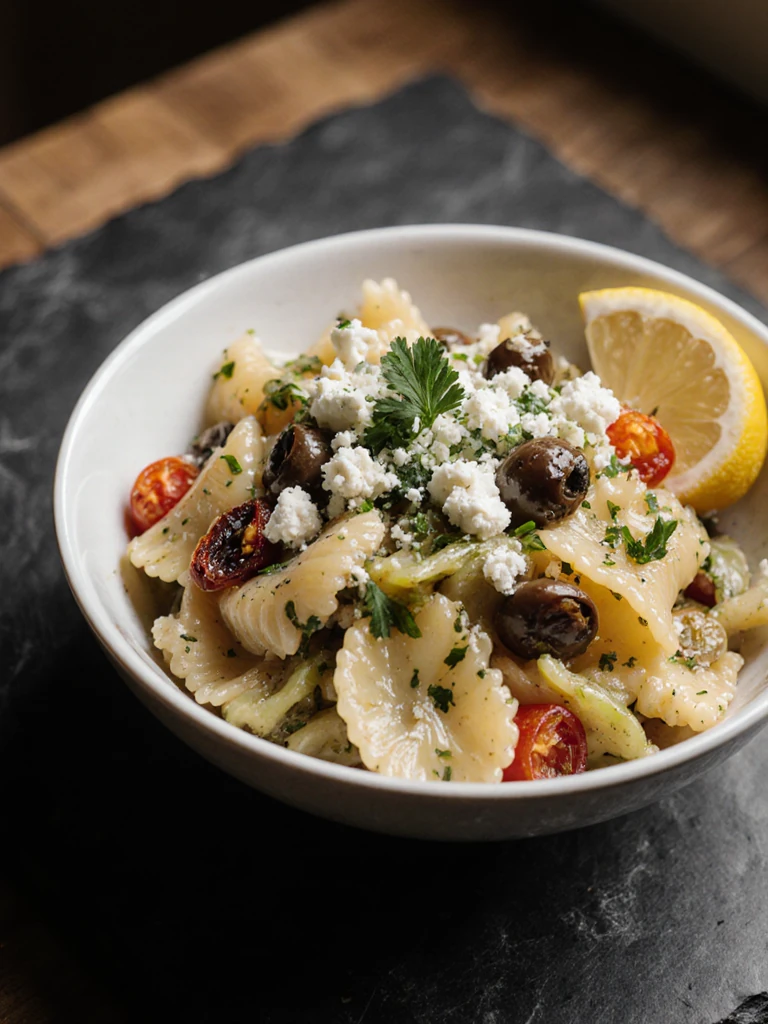
Remove the salad from the refrigerator 15 minutes before serving. Cold mutes lemon zest and oregano aromatics, and a brief rest at room temperature makes the dressing noticeably more fragrant and the feta perceptibly creamier.
Serve as a vegetarian main alongside warm pita bread and hummus, or as a side with grilled lamb chops, spiced chicken thighs, or grilled halloumi. For a crowd of 12 or more, prepare the dressing in a jar with a lid and shake rather than whisk. The salad holds at room temperature for up to 2 hours before the cucumber begins releasing water into the dressing. For outdoor events, keep the salad on ice and add the cucumber, feta, and parsley on-site. Browse more make-ahead pasta salad ideas in Recipe Dairy's salad collection.
The Recipe
Mediterranean Pasta Salad
Ingredients
For the lemon-oregano vinaigrette
For the salad
Instructions
- 1
Whisk together the sun-dried tomato oil, olive oil, red wine vinegar, lemon juice, lemon zest, bloomed oregano, garlic, Dijon mustard, salt, and pepper in a jar until emulsified.
- 2
Bring a large pot of water to a boil, add 1 tbsp kosher salt, and cook farfalle for the full package time until completely tender.
- 3
Drain the pasta, drizzle with 1 tsp sun-dried tomato oil, toss to coat, and spread on a baking tray to cool for 10 minutes.
- 4
Transfer cooled farfalle to a large bowl, then add sun-dried tomatoes, artichoke hearts, Kalamata olives, cherry tomatoes, and red onion.
- 5
Pour three-quarters of the vinaigrette over the salad and fold through with a large spoon until evenly coated.
- 6
Cover and refrigerate for at least 1 hour.
- 7
Before serving, add the remaining vinaigrette, fold through, then taste for salt.
- 8
Fold in the diced cucumber, crumbled feta, and chopped parsley, finish with a squeeze of fresh lemon juice, and serve.
Nutrition Facts
Per serving
410 Calories
Hearty & filling per serving
Macronutrients
* % Daily Value based on a 2,000 calorie diet
Tips & Notes
Taste the finished dressing before pouring it over the salad. The sun-dried tomato oil, artichoke brine, Kalamata olives, and feta all contribute significant sodium to the assembled salad. A properly seasoned dressing alone may be enough without any added salt in the final toss. Buy feta in a block and crumble it yourself. Pre-crumbled feta is drier, finer, and dissolves into the dressing rather than forming the creamy pockets that distinguish a well-made Mediterranean pasta salad. Make-ahead: Assemble the salad with three-quarters of the dressing and refrigerate for up to 24 hours. Store the cucumber, feta, parsley, and remaining dressing separately and fold them in just before serving. Artichoke tip: Use water-packed artichoke hearts rather than oil-marinated ones. Water-packed artichokes absorb the vinaigrette dressing cleanly. Marinated artichokes arrive pre-seasoned and will compete with the homemade dressing rather than complementing it.
Frequently Asked Questions
Farfalle or penne pasta, oil-packed sun-dried tomatoes, artichoke hearts, Kalamata olives, cherry tomatoes, cucumber, red onion, crumbled feta, and a lemon-oregano vinaigrette are the core components.
Enjoyed this recipe?


