Orzo Pasta Salad
Orzo Pasta Salad

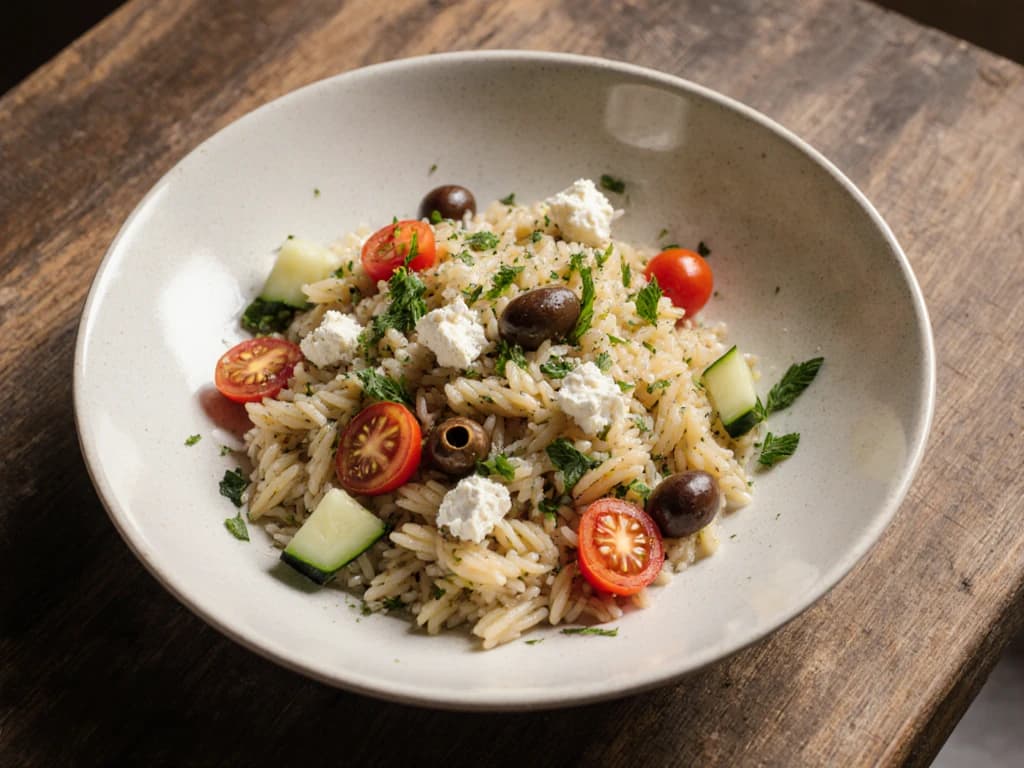
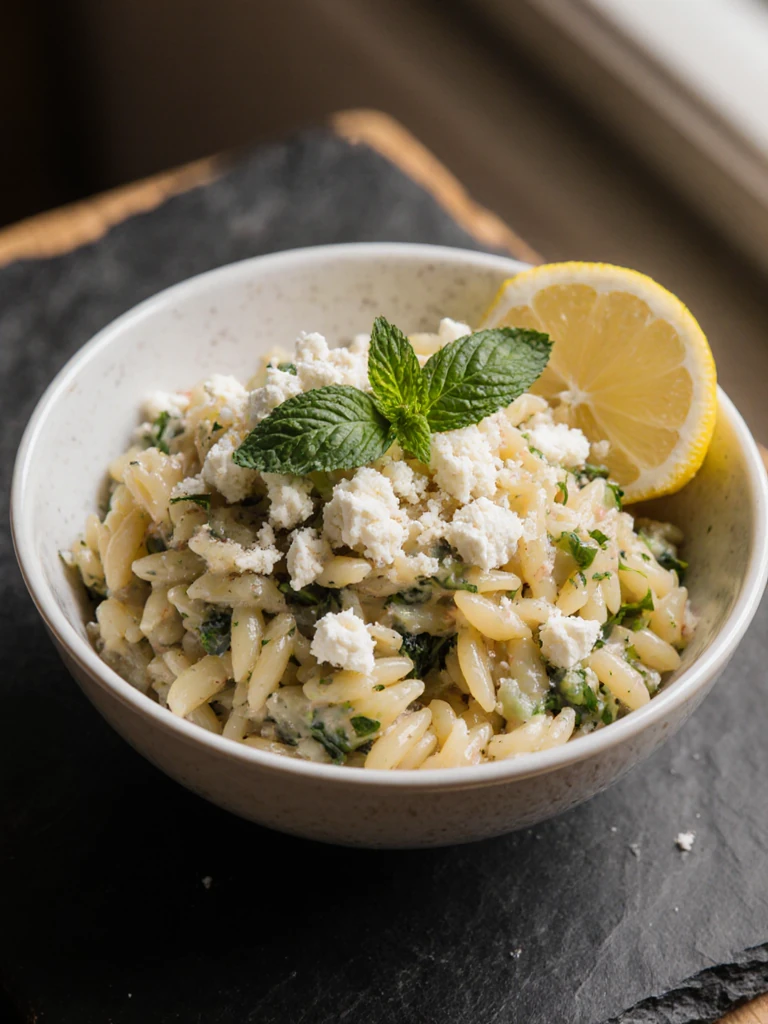
Orzo pasta salad pairs the rice-shaped pasta with cherry tomatoes, cucumber, chickpeas, Kalamata olives, and crumbled feta in a starchy-water-emulsified lemon vinaigrette. The technique of spreading hot orzo on a tray with olive oil prevents the clumping that ruins every other preparation. Ready in 25 minutes and better after an hour of chilling, it holds well for 4 days making it the most reliable make-ahead pasta salad in the collection.
- 1
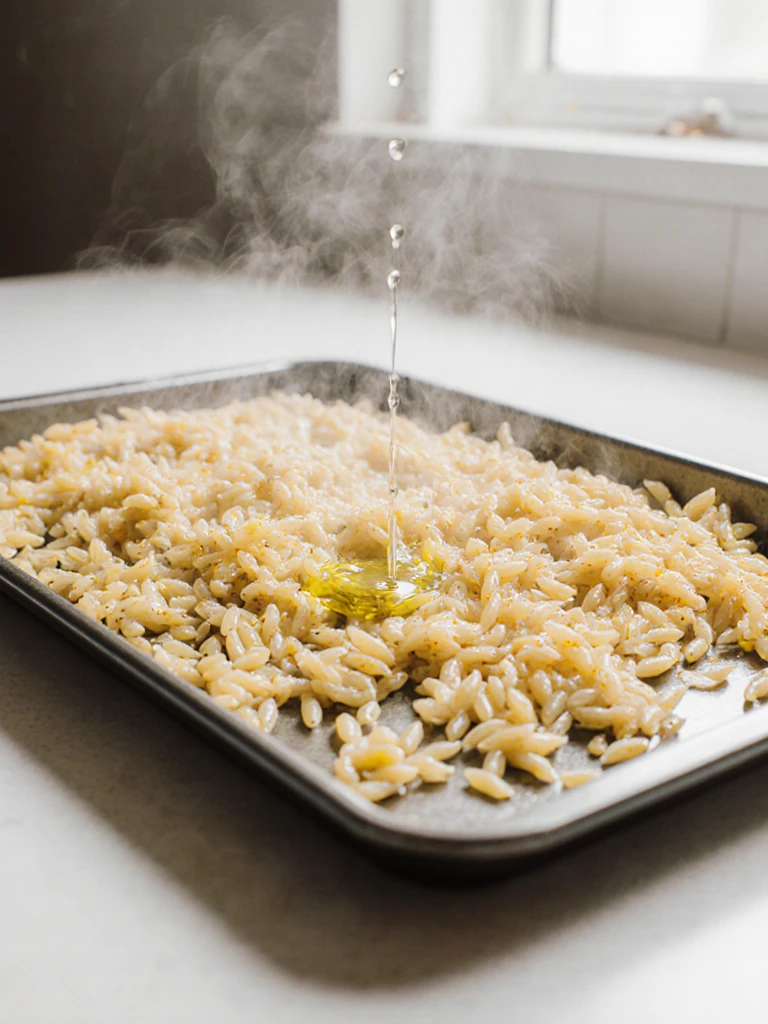
Spreading hot orzo on a tray with an olive oil coating immediately after draining prevents the surface starch from bonding the grains into a clump before they cool, a step more critical for orzo than any other pasta shape due to its high surface-area-to-volume ratio.
- 2
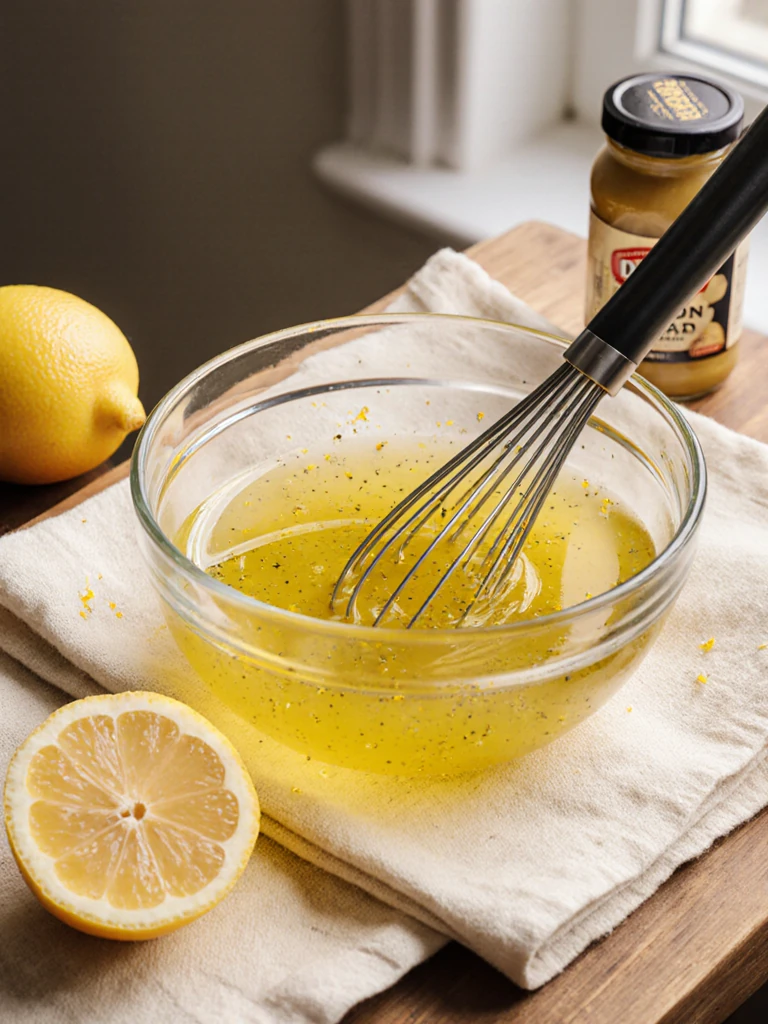
Two tablespoons of starchy pasta water whisked into the lemon vinaigrette before the oil is added provides dissolved starch that emulsifies the dressing more stably than mustard alone, keeping it cohesive through 4 days of refrigeration.
- 3
Adding herbs in two stages, half before chilling and half just before serving, preserves the volatile aromatic compounds in fresh mint and parsley that dissipate when the herbs sit in acidic dressing for more than 30 minutes.
Orzo pasta salad works where other cold pasta salads fall short because the small, rice-shaped grains absorb dressing evenly on every surface rather than trapping it inside tubes or grooves where it cannot reach the pasta's interior. A lemon vinaigrette emulsified with 2 tablespoons of reserved starchy pasta water coats each grain in a stable, glossy layer that holds together through 4 days of refrigeration. Chickpeas add plant-based protein and body, crumbled feta brings salt and creaminess, and a combination of fresh mint and flat-leaf parsley keeps every forkful tasting bright. The full flavour of this salad emerges after 1 hour of chilling, making it the most rewarding make-ahead pasta salad to prepare in the morning for an evening gathering.
Why Orzo Requires Its Own Cooling Method
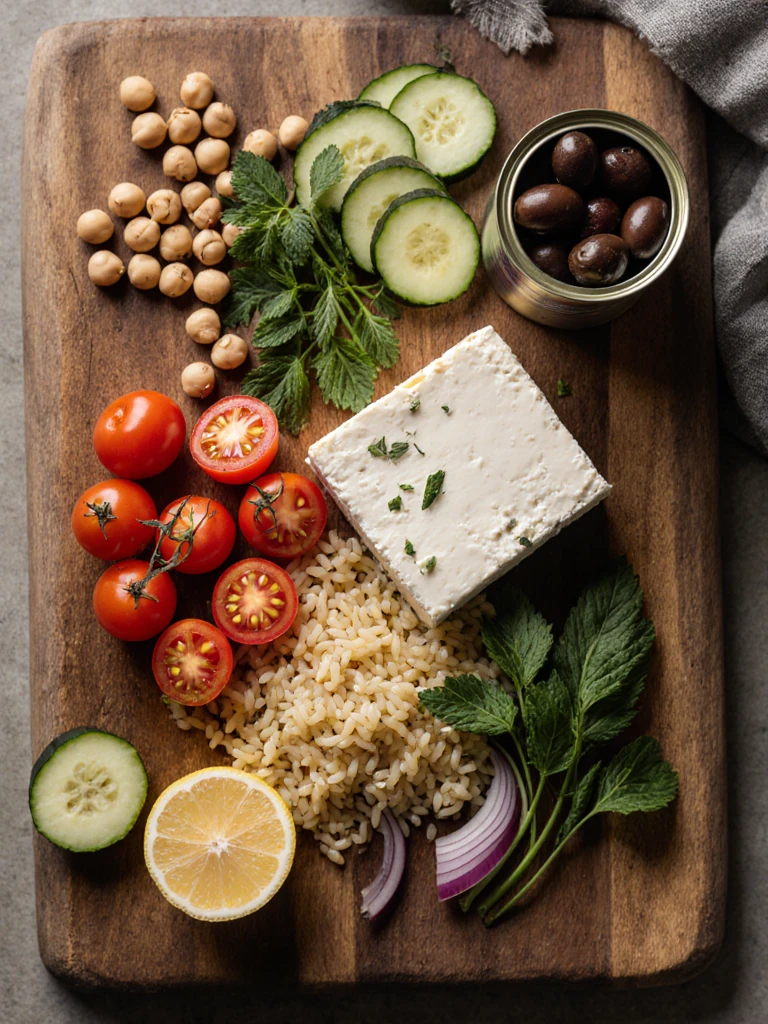
Orzo has a higher surface-area-to-volume ratio than any common short pasta shape, which causes the grains to press together and bond within 3 to 4 minutes of draining unless they are immediately spread, separated, and coated with olive oil.
The starch that gelatinises on orzo's surface during cooking acts as a powerful adhesive once the pasta cools and the starch begins to set. A colander full of drained orzo will form a solid mass in the time it takes to chop a cucumber. The fix is immediate and simple: drain the orzo, return it to the empty pot, drizzle with 1 tablespoon of extra-virgin olive oil, and toss briefly to coat every grain. Then spread in a single layer across a large rimmed baking tray. The separation between grains allows steam to escape evenly, the oil forms a thin barrier between surfaces, and the pasta cools to room temperature in 8 to 10 minutes rather than clumping into an unusable block. Cook orzo 1 minute beyond the package's al dente time. Orzo firms more than other shapes as it cools due to its small mass retaining less residual heat, so pulling it at true al dente produces a slightly chewy texture in the finished cold salad.
Building the Starchy-Water Lemon Vinaigrette
Whisking 2 tablespoons of reserved pasta water into the lemon vinaigrette before adding olive oil introduces dissolved starch that acts as a natural emulsifier, producing a dressing that clings to each orzo grain rather than pooling at the bowl's base after 30 minutes.
Reserve the pasta water before draining by ladling out half a cup into a heatproof mug. Allow it to cool for 5 minutes, then whisk in the lemon zest, lemon juice, Dijon mustard, garlic, salt, and pepper. Stream in the olive oil while whisking continuously. The dissolved starch from the pasta water holds the oil and acid in suspension more effectively than mustard alone, which is why this dressing does not separate in the fridge overnight. Taste the finished dressing: it should be assertively lemony and slightly over-salted. The chickpeas, feta, and olives all contribute additional salt to the assembled salad, but the pasta itself is the main absorber of the dressing's acid and salt during chilling.
Assembling and Seasoning the Salad
Adding herbs in two stages — half folded in before chilling and half stirred in just before serving — prevents the first batch from wilting while ensuring fresh herb flavour is prominent in the finished bowl.
Transfer the cooled orzo to a large bowl. Add the chickpeas, halved cherry tomatoes, diced cucumber, sliced Kalamata olives, and thinly sliced red onion. Pour three-quarters of the dressing over the salad and fold through gently. Scatter half the mint and parsley over the top and fold in once more. Cover and refrigerate for at least 1 hour. Before serving, pour the remaining dressing over the salad and toss to redistribute, then taste for salt, lemon, and herb balance. Fold in the remaining fresh herbs and crumble the feta over the top last, pressing it in gently rather than stirring to preserve distinct pockets of salty creaminess throughout the bowl rather than blending it into the dressing.
Serving Orzo Pasta Salad
Remove the salad from the refrigerator 10 minutes before serving. Cold temperatures mute the lemon zest and herb aromatics that define the dressing, and a brief rest at room temperature restores the brightness that makes this salad stand out on a table.
Serve as a standalone vegetarian lunch or as a side alongside grilled lamb chops, spiced chicken thighs, or grilled halloumi for a Mediterranean spread. For a crowd of 12 or more, the recipe doubles cleanly: prepare the dressing in a jar with a lid and shake rather than whisk for speed. The salad holds at room temperature for up to 2 hours before the cucumber begins to release water into the dressing. For outdoor events, store the salad on ice and add the final dressing application and fresh herbs on-site. Browse more make-ahead salad ideas in Recipe Dairy's salad collection.
The Recipe
Orzo Pasta Salad
Ingredients
For the lemon vinaigrette
For the salad
Instructions
- 1
Bring a large pot of water to a boil and add 1 tbsp kosher salt, then cook orzo for 1 minute beyond the package al dente time.
- 2
Ladle out ½ cup of pasta water into a heatproof mug before draining, then drain the orzo.
- 3
Return orzo to the empty pot, drizzle with 1 tbsp olive oil, and toss to coat, then spread in a single layer on a large rimmed baking tray to cool for 10 minutes.
- 4
Allow the pasta water to cool for 5 minutes, then whisk in lemon juice, lemon zest, Dijon mustard, garlic, salt, and pepper, then stream in the olive oil while whisking until emulsified.
- 5
Transfer cooled orzo to a large bowl and add chickpeas, cherry tomatoes, cucumber, olives, and red onion.
- 6
Pour three-quarters of the dressing over the salad, fold through, then scatter in half the parsley and mint and fold once more.
- 7
Cover and refrigerate for at least 1 hour.
- 8
Before serving, add the remaining dressing and toss, then taste for salt and lemon, fold in the remaining herbs, and crumble feta gently over the top.
Nutrition Facts
Per serving
385 Calories
Moderate energy per serving
Macronutrients
* % Daily Value based on a 2,000 calorie diet
Tips & Notes
Salt the pasta water generously: 1 tablespoon per 4 litres minimum. Orzo is small and cooks quickly, so the window for seasoning is shorter than with larger pasta shapes. Under-salted orzo produces a flat-tasting salad regardless of how well-seasoned the dressing is. Buy feta in a block and crumble it yourself. Pre-crumbled feta is drier and more powdery than block feta, and dissolves into the dressing rather than holding its shape as creamy pockets. Make-ahead: Assemble the salad and add three-quarters of the dressing, then refrigerate for up to 24 hours. Hold the remaining dressing, fresh herbs, and feta in separate containers and add all three just before serving. Red onion tip: Soak sliced red onion in ice water for 10 minutes before adding to mellow its sharpness. Pat dry thoroughly before folding into the salad to avoid diluting the dressing.
Frequently Asked Questions
Yes. Toss with three-quarters of the dressing and refrigerate overnight. Add the remaining dressing, fresh herbs, and feta just before serving. The flavour improves with an overnight rest.
Enjoyed this recipe?


