Smoked Brisket Grain Bowl
Smoked Brisket Grain Bowl
Toasted farro, roasted cherry tomatoes and broccolini, quick-pickled red onion, and lemon-tahini dressing balance the smoke and fat of leftover brisket. Components prep in under 45 minutes and store for four days. The best meal-prep vehicle in the leftover brisket rotation.

- 1
Toasting farro in a dry pan before boiling initiates the Maillard reaction on the grain's surface, producing nutty, roasted aromatics that give the bowl a base with enough flavor presence to stand alongside bold BBQ smoke.
- 2
The lemon-tahini dressing combines emulsified fat (tahini) with acid (lemon juice) in a single sauce — the fat coats every grain with flavor while the acid cuts through the brisket's rendered fat and clears the palate between bites.
- 3
Quick-pickled red onion provides the sharpest acid contrast in the bowl, its vinegar brine cutting through the smoke layer so the brisket's flavor registers cleanly on every bite rather than accumulating into a heavy, one-note experience.
A smoked brisket grain bowl is the one leftover brisket application that gets better the more it sits. Farro, toasted before boiling to deepen its natural nuttiness, provides a grain base with the chew and body to stand alongside bold BBQ smoke without disappearing into the background. A lemon-tahini dressing handles the critical function that every other brisket bowl recipe misses entirely: its acid and fat content cuts through the rendered brisket fat and balances the smoke, delivering a bowl where each component tastes distinct rather than merged into a single heavy note. Components prepare independently and refrigerate for four days, making this the most practical meal-prep vehicle in the leftover brisket rotation.
Why Farro Is the Right Grain for Smoked Brisket
Farro's al-dente chew and mild nuttiness make it the correct grain base for smoked brisket. Quinoa is too light and fluffy — its airy texture disappears under the weight of brisket fat, and its flavor profile conflicts with BBQ smoke. Brown rice is neutral and too similar in texture to the brisket's soft interior. Farro holds its form, adds textural contrast, and carries a toasted grain note that complements rather than competes with smoke.
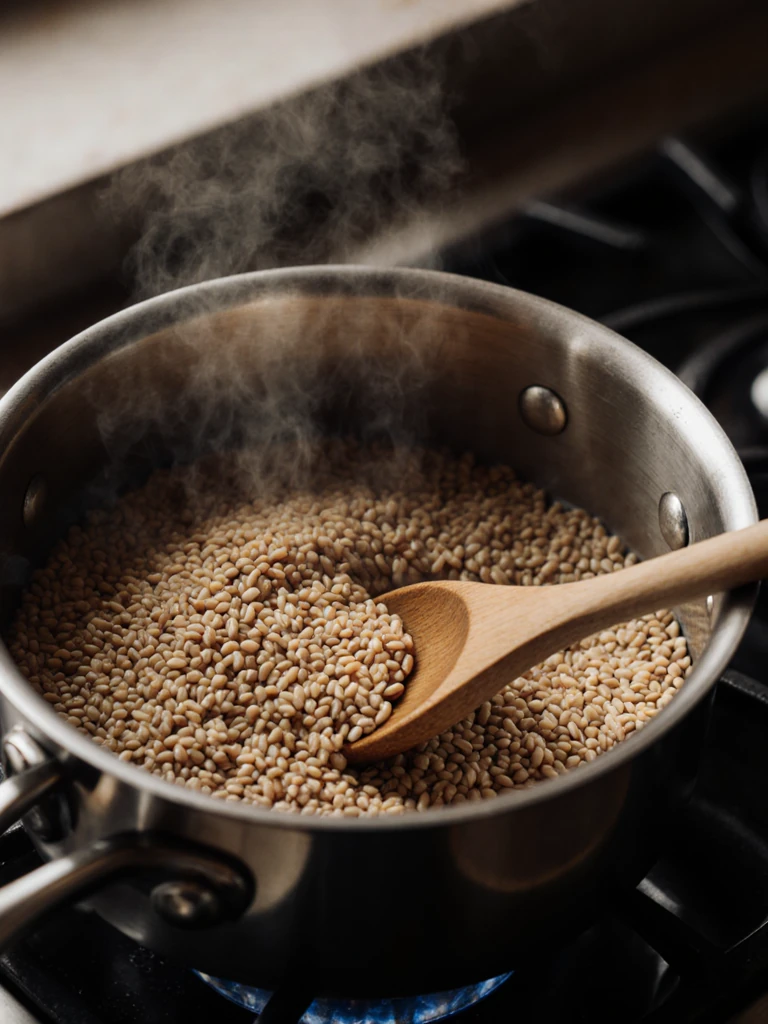
Toast the farro in a dry saucepan over medium heat for 3 to 4 minutes before adding water. Stir constantly and pull from heat when the grains turn a shade deeper and the kitchen smells like warm popcorn. Toasting initiates the Maillard reaction on the grain's starchy outer layer, converting surface starches and proteins into nutty, roasted aromatics that persist through the boil. Untoasted farro cooked in plain water tastes mild and starchy; toasted farro cooked in the same water tastes like a distinct, earthy ingredient that earns its place in the bowl.
Cook toasted farro in a 1:2.5 ratio of grain to lightly salted water. Bring to a boil, reduce to a simmer, and cook for 25 to 30 minutes until the grains are tender with a slight resistance at the center. Drain any excess water, spread on a baking sheet, and cool to room temperature before assembling. Farro added hot to a grain bowl wilts delicate greens on contact and causes the tahini dressing to thin and pool at the bottom of the bowl rather than coating each component evenly.
Roasting the Vegetables for the Bowl
Roast vegetables at 425°F until their edges char slightly. Caramelized, slightly bitter vegetable edges balance the sweetness of BBQ smoke in the brisket; boiled or steamed vegetables add moisture without flavor contrast and make the bowl taste flat.
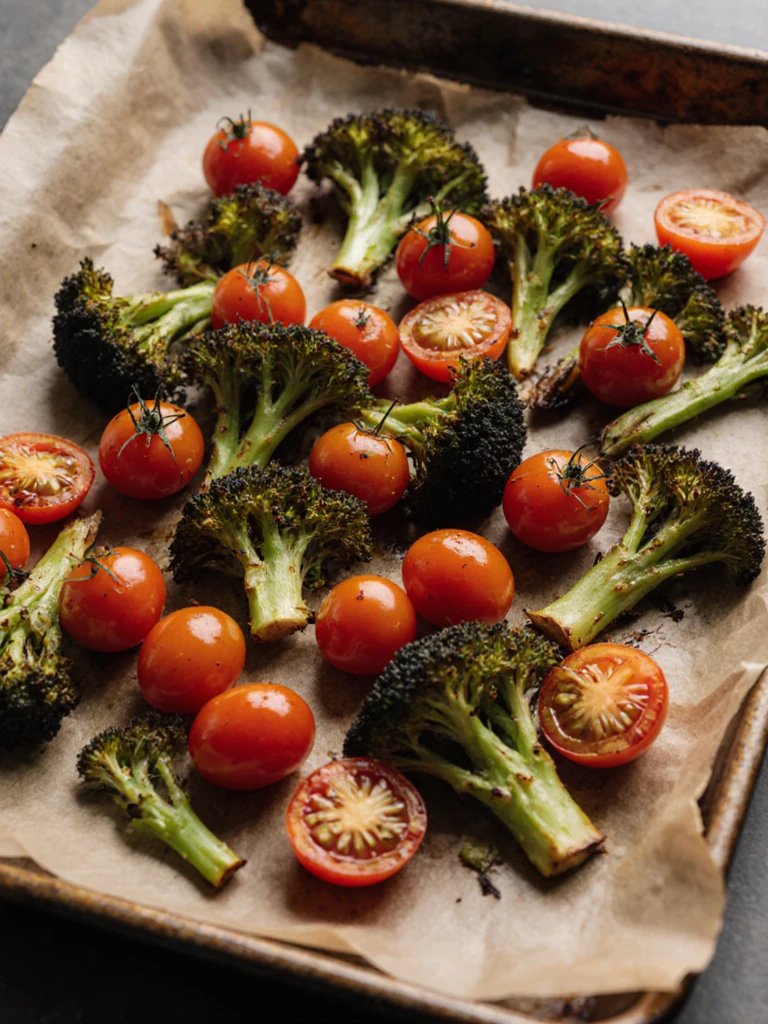
Cherry tomatoes and broccolini work particularly well alongside smoked brisket. Cherry tomatoes blister and collapse at 425°F in 15 to 18 minutes, concentrating their acidity and sweetness into a jammy, intense bite that cuts through brisket fat the same way the tahini dressing does. Broccolini's thin stems and open florets char quickly at the edges while the stalks stay tender, providing the textural counterpoint that thicker broccoli florets cannot match. Toss both with olive oil, salt, black pepper, and a pinch of smoked paprika before roasting. The paprika bridges the BBQ smoke flavor in the brisket with the roasted vegetable layer, creating a coherent flavor arc across the bowl rather than disparate components.
Roast on a single baking sheet with enough space between pieces for hot air to circulate. Crowded vegetables steam rather than roast, retaining moisture and losing the caramelized edges that provide their function in the bowl. A 9x13 sheet holds one pint of cherry tomatoes and one bunch of broccolini without crowding.
Preparing the Smoked Brisket for a Grain Bowl
Slice cold brisket flat against the grain into pieces no thicker than a quarter inch. Thin slices warm quickly from the other bowl components without needing direct heat and maintain a tender, yielding texture. Thick slices or chopped pieces stay cold in the center and require microwaving, which tightens the muscle fibers and toughens the meat.
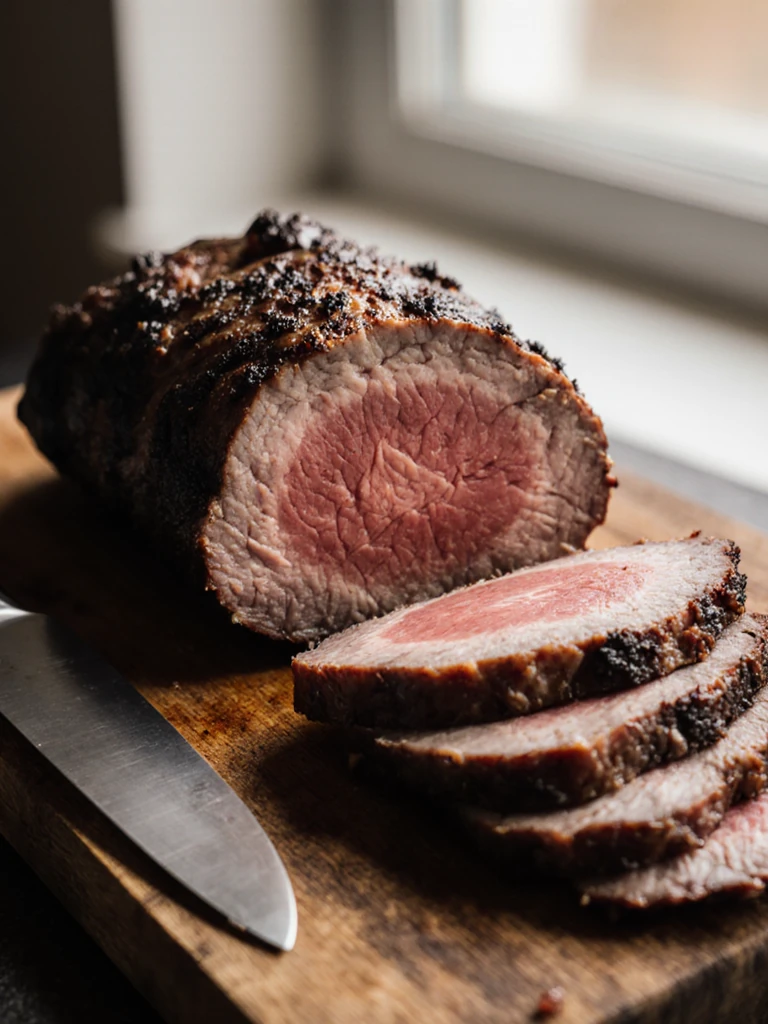
The brisket flat is the correct cut for grain bowls for the same reason it works in smoked brisket pho: its uniform muscle structure slices cleanly against the grain, each slice severs the fiber at a short cross-section, and the result is tender without being fatty. The point muscle's irregular marbling produces uneven slices that shred at the thinnest points and feel greasy against light grains and fresh toppings. Reserve the point for loaded or chopped applications.
For warm bowls, warm the farro briefly in a covered skillet with 2 tablespoons of water over low heat for 3 to 4 minutes. Lay the cold brisket slices over the warm farro as the bowl is assembled — the residual heat from the grain warms the meat to a pleasant serving temperature in the 60 to 90 seconds it takes to add the remaining components.
The Lemon-Tahini Dressing: Balancing Smoke and Fat
The dressing for a smoked brisket grain bowl must contain both acid and emulsified fat. Acid cuts through the rendered brisket fat and clears the palate between bites; emulsified fat in the dressing coats the farro and vegetables with flavor and prevents the bowl from tasting dry. A vinaigrette with no emulsifier pools at the bowl base; a pure cream dressing adds fat without acid and amplifies richness rather than balancing it.
Whisk together tahini, fresh lemon juice, garlic, water, and olive oil. The tahini provides the emulsified fat and a toasted sesame note that parallels the toasted farro base. Start with a 2:1 ratio of tahini to lemon juice and thin with water, one tablespoon at a time, until the dressing pours smoothly off a spoon without running instantly flat. Too thick and it clumps on the farro; too thin and it pools below the grains. The correct consistency coats a spoon lightly and falls in a slow, steady ribbon. Add a pinch of cumin — its earthy warmth connects the bowl's Middle-Eastern-inflected dressing to the BBQ smoke in the brisket without making the flavor profile feel confused. For the same acid-fat balance principle applied to a cream base, the cilantro lime crema in smoked brisket quesadillas follows identical logic.
Assembling the Smoked Brisket Grain Bowl
Layer in this order: farro base first, a spoonful of dressing stirred into the grain, then brisket, roasted vegetables, pickled red onion, fresh arugula, and a final dressing drizzle on top. Dressing mixed into the base grain before the toppings go on ensures every forkful of farro carries flavor, not just the bites that reach pooled dressing at the bowl bottom.
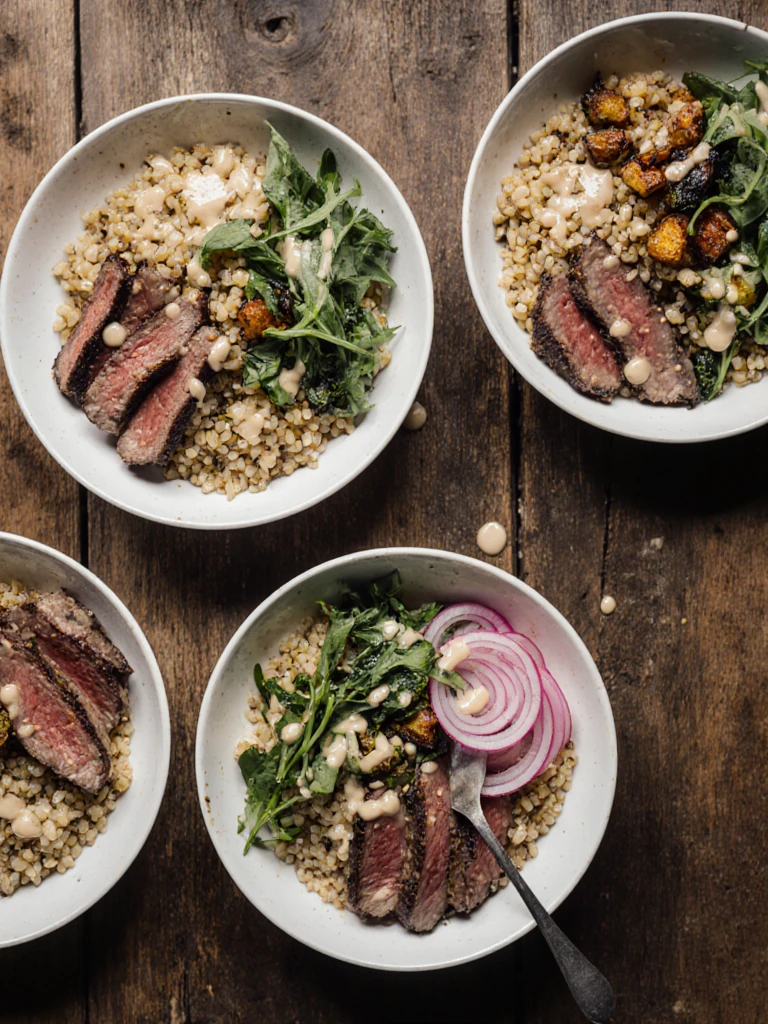
Pickled red onion is not optional in this bowl. Its sharp, vinegar-forward acidity provides the single strongest flavor contrast to the smoke and fat in the brisket, and its bright pink color signals freshness against the warm, dark tones of the other components. Prepare the pickled onion at least 30 minutes before serving: thin red onion slices submerged in equal parts red wine vinegar and water with a teaspoon each of sugar and salt. The onion turns pink and loses its raw sharpness within 30 minutes and reaches full pickle depth at 2 hours. Refrigerated, the pickled onion keeps for two weeks. Finish with fresh arugula scattered over the assembled bowl. Arugula's peppery bitterness is the final balancing note — add it last so it stays crisp and does not wilt from the warm components below. Find the full recipe at Recipe Diaries.
The Recipe
Smoked Brisket Grain Bowl
Ingredients
For the farro
For the roasted vegetables
For the pickled red onion
For the lemon-tahini dressing
For the bowls
Instructions
- 1
Start the pickled onion: Combine red wine vinegar, water, sugar, and kosher salt in a jar and stir until dissolved. Add sliced red onion, press to submerge, and set aside for at least 30 minutes.
- 2
Toast the farro: Place farro in a dry medium saucepan over medium heat. Stir constantly for 3 to 4 minutes until the grains deepen one shade and smell nutty.
- 3
Add 3¾ cups of lightly salted water to the toasted farro and bring to a boil. Reduce to a simmer and cook uncovered for 25 to 30 minutes until tender with slight al-dente resistance. Drain excess water, spread on a baking sheet, and cool to room temperature.
- 4
Roast the vegetables: Preheat oven to 425°F. Toss cherry tomatoes and broccolini with olive oil, smoked paprika, salt, and pepper. Spread in a single layer on a baking sheet without crowding.
- 5
Roast for 15 to 18 minutes until tomatoes are blistered and broccolini edges are charred. Remove and set aside.
- 6
Make the dressing: Whisk tahini, lemon juice, garlic, olive oil, and cumin together. Add water one tablespoon at a time until the dressing falls in a slow, steady ribbon from a spoon. Season with salt.
- 7
Slice the cold brisket flat against the grain into pieces no thicker than ¼ inch.
- 8
Assemble the bowls: Divide cooled farro among four wide bowls. Stir a spoonful of tahini dressing into each farro base to coat the grains.
- 9
Layer brisket slices over the farro. Add roasted tomatoes and broccolini. Add a generous tangle of drained pickled red onion.
- 10
Scatter fresh arugula over the top of each bowl. Drizzle with remaining tahini dressing, sprinkle with sesame seeds and flaky sea salt. Serve immediately.
Nutrition Facts
Per serving
590 Calories
Hearty & filling per serving
Macronutrients
* % Daily Value based on a 2,000 calorie diet
Tips & Notes
Make the pickled red onion at the start of the recipe, before toasting the farro. It needs at least 30 minutes of brine time and the longer it sits, the better it tastes. A jar made two days ahead is ideal and also works across other brisket applications including tacos and quesadillas. Cool the farro completely before assembling. Warm farro wilts the arugula on contact and thins the tahini dressing, causing it to pool at the bowl base rather than coating the grains. Taste the tahini dressing for salt before adding it to the bowl. Tahini brands vary significantly in salt content. Adjust with lemon juice as well as salt — the ratio of acid to tahini matters as much as seasoning level. For warm bowls, reheat only the farro in a covered skillet with 2 tablespoons of water over low heat for 3 to 4 minutes. Lay cold brisket slices directly over the warm grain at assembly — the residual heat warms the meat gently without drying it out.
Frequently Asked Questions
Farro is the best choice. Its al-dente chew and nutty flavor hold up against bold BBQ smoke and brisket fat. Quinoa is too light and can conflict with smoke flavor. Brown rice works but is more neutral. Barley is a good alternative to farro.
Enjoyed this recipe?


